The New Standard of Luxury
Performance Living
By Keith Kanady · July 2026 · Volume MMXXVI, Number 7 · Page 10 · 2 min read

For years, luxury in real estate was defined by square footage, marble countertops, and zip codes. Today, the definition of a high-end home has undergone a quiet but radical transformation. Homeowners look past the aesthetic surface and ask a more vital question: How does this house perform?
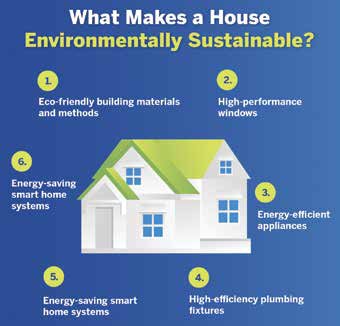
In the current market, performance living has become the gold standard of property value. Sustainability isn’t just about a lower carbon footprint. It’s about climate resilience, personal wellness, and financial security.
Climate Resilience. A home’s ability to withstand the elements could be its most valuable asset. Luxury is synonymous with peace of mind. Buyers are looking for homes equipped with reinforced building envelopes, fire-resistant materials, and smart microgrids. They want a home that maintains comfortable temperatures and functionality during power outages or extreme weather events. When a property is built for the future, it commands a premium that traditional builds won’t.
Indoor Air Quality. If the structure is the bones of the house, the HVAC and filtration systems are the lungs. Most spend roughly 90 percent of their time indoors, so the health of our home environment is important. Performance living means moving beyond basic air conditioning to hospital- grade HEPA filtration and energy-recovery ventilators that provide a constant stream of fresh, filtered outside air while exhausting toxins and carbon dioxide. A home that monitors and optimizes indoor air quality in real-time protects your respiratory health and sleep quality. It isn’t just a building; it’s a wellness tool.
Water Stewardship. As water becomes an increasingly precious resource, how a property manages every drop has become a major focal point for homeowners. We are seeing a surge in value for homes featuring water-stewardship technology like greywater recycling systems that nourish drought-tolerant landscapes, smart leak detection that prevents catastrophic damage, and high-efficiency water filtration at the point of entry. It’s no longer just about saving on the utility bill; it’s about ensuring the home remains functional in times of limited water supply.
The Bottom Line. For homeowners looking to sell or renovate, the most significant returns on investment are currently found in these kinds of invisible features and sustainability upgrades. They prepare you for the future by creating a healthier and more sustainable home that takes care of you as much as you take care of it. It will also be more desirable to buyers in the future.