The Scott House
By Kathy McKinney
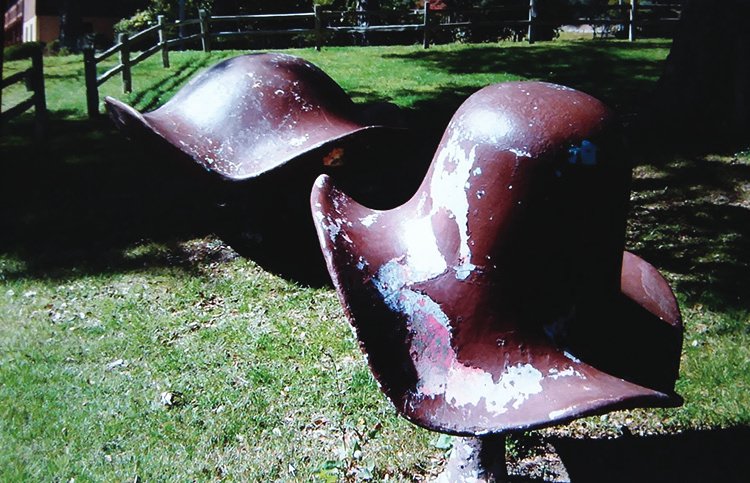
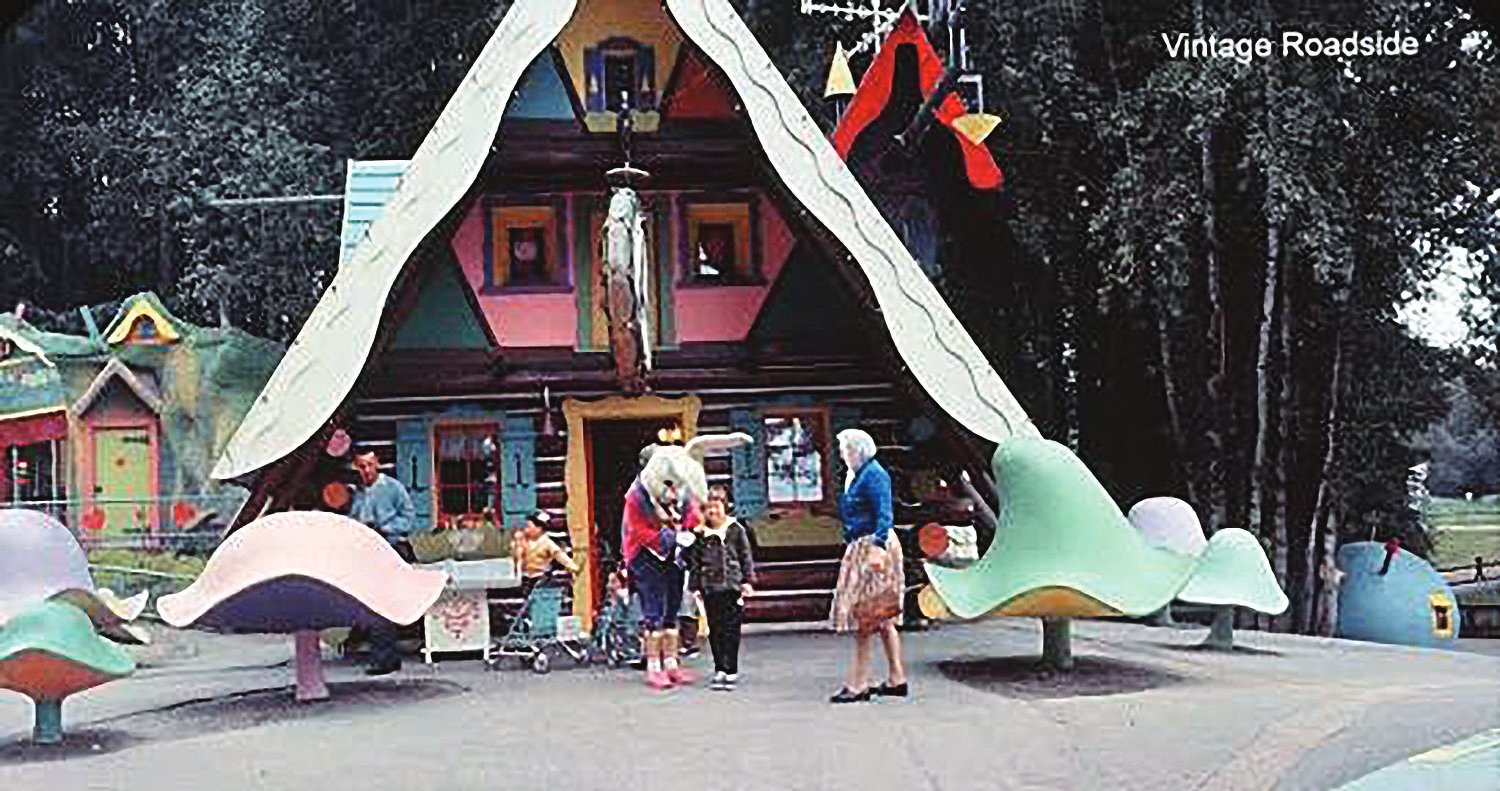
We stumbled upon this month’s adventure while on a quest to find the large mushroom sculptures that used to be part of Santa’s Village, a Christmas-themed amusement park in Scotts Valley that operated from the 1950s through 1979. We had read that a few of these whimsical play structures were located at MacDorsa Park in Scotts Valley. Alas, the mushrooms have been removed from the park, probably due to liability.
However, the park is also the site of the historic Scott House and the Scotts Valley Historical Society collection. While the Scott House doesn’t have enough volunteers to maintain regular hours of operation, there is a number posted to call for a tour.
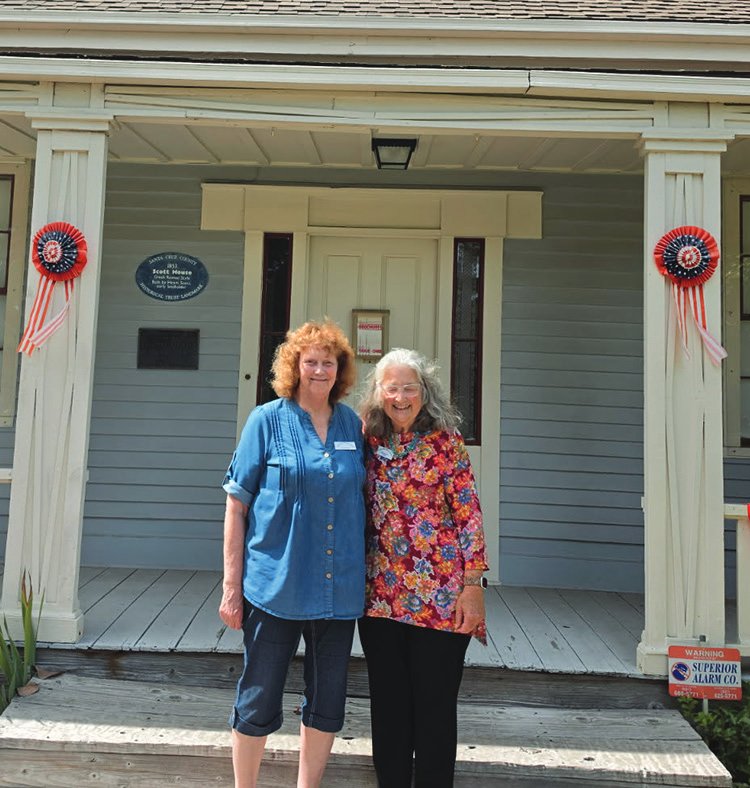
I called Debbie Muth, president of the Scotts Valley Historical Society and author of Santa Cruz Through Time and Scotts Valley (Images of America), and we arranged a time to meet. When I arrived, Debbie and volunteer Lane Maloney welcomed me into the house and gave me a detailed tour.
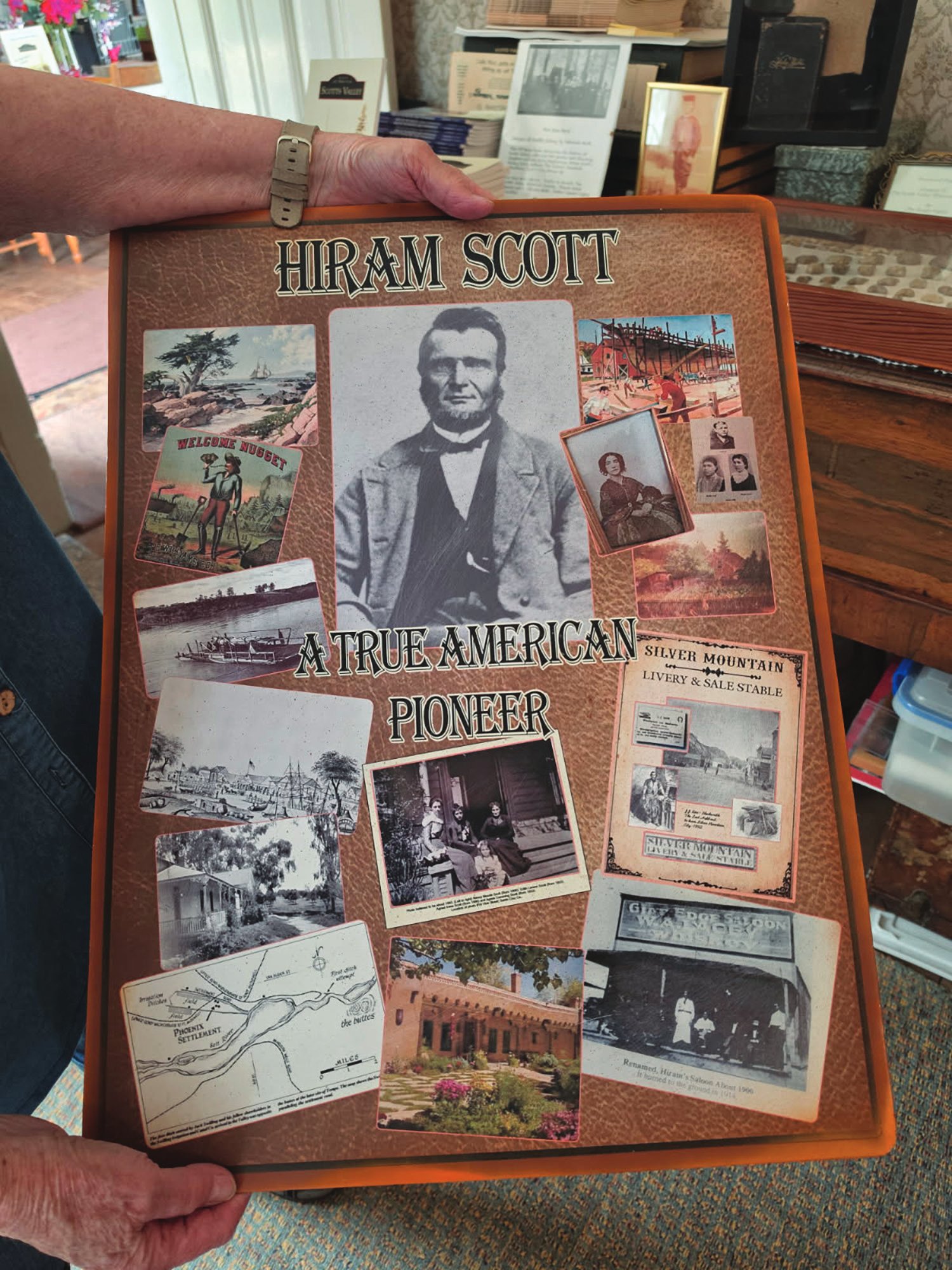
Hiram Daniel Scott built the Scott House in 1853. It is one of the oldest wood-framed structures in Santa Cruz County. Hiram’s family was in the shipbuilding business. In 1847, Hiram was training to become a sea captain on the American Bark Whiton, which had sailed from Maine and followed the Cape Horn route, around the southern tip of South America and up the West Coast. The trip was between 16,000 and 20,000 miles. Upon arriving in Monterey, California, he “jumped ship” and settled in Santa Cruz. When gold fever hit, Hiram headed to the Sierra Nevada mountains. He struck it rich.
According to Myth, Hiram was always looking for the next big thing. After striking gold, Hiram and a couple of partners built and operated the first ferry site on the San Joaquin River at Mossdale Landing. They charged $1 per crossing to carry miners headed to the gold fields. They also built The Stockton Hotel, the first hotel in Stockton. Hiram sold his interest in the Stockton Hotel and returned to Santa Cruz. He purchased the 4,437-acre Rancho Saint Augustine, on September 9, 1850, the same day that California became a state. He paid $20,000 for the rancho, that encompassed (Continued on page 23)