
Murder and the Missions
By Debra Staab
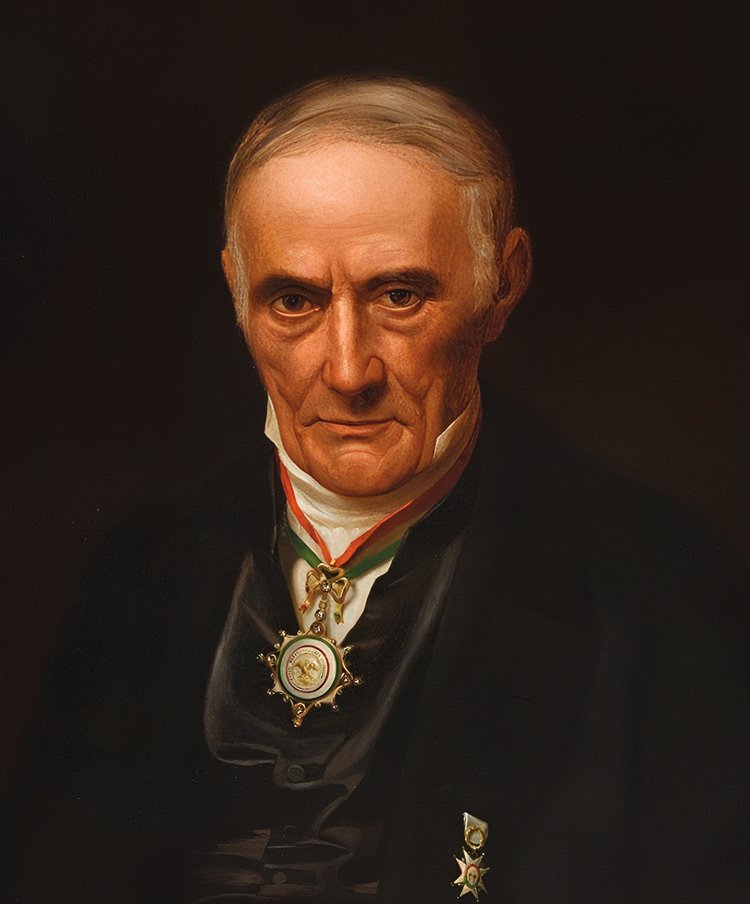
Early Law and Order. In the Santa Cruz Mountains, law and order has changed significantly over time. For 10,000 years, dozens of Native Americans in our area kept order through local norms and shared values. They resolved infractions through mediation and restitution rather than punishment. Restoring peace to the community was their goal.
In contrast, under Spanish rule, from 1769 to 1821, law enforcement was handled by the military. The Santa Cruz Mountains were patrolled by the cavalry, known as leather-jacket soldiers. Most were from the Monterey and San Francisco Presidios. They protected the missions, chased runaways, and helped resolve local conflicts.
Under Mexican rule, from 1821 to 1846, the Presidios continued to provide regional law enforcement. But they were underfunded, which triggered civilian authorities to appoint an alcalde, a magistrate who acted as mayor, police chief, and judge all in one role. Town councils emerged to set local policies, and large rancheros policed their own land.
When California became a state in 1850, both Santa Clara and Santa Cruz counties elected a sheriff. In 1854, Santa Cruz city built a jail, and in 1866 they opened their first police department. The first jail in Los Gatos was a small shack called the sweatbox. The town had a small police force by 1887, and by 1889 a town watchman rang a hoodlum bell to alert the town for emergencies or troublemakers.
The Killing of a Priest. Native Americans from the Bay Area, the Santa Cruz region, and the Central Valley had all been forced by Spanish soldiers to live and work at the missions, including Santa Clara and Santa Cruz. Indigenous food sources were destroyed, they couldn’t practice their cultural traditions, and many died from disease and mistreatment. During the 65-year mission era, over 62,000 Native American deaths were recorded across all 21 California missions.
The goal of the Spanish was to convert as many Indians as possible to Catholicism, believing that it would save their souls. Unfortunately, the mission padres routinely abused and exploited the neophytes in an effort to force compliance. Some adapted and learned new skills such as farming and weaving. But there was also notable resistance to assimilation.
Padre Andrés Quintana was a particularly cruel and sadistic priest who arrived at Mission Santa Cruz in 1805. Over the next seven years, he routinely beat the neophytes for the smallest infractions, such as not working hard enough. To make matters worse, in 1813 he added metal tips to the end of his quince-tree switch. After two men were nearly beaten to death, a group of Native Americans made a bold plan to eliminate this cold-blooded priest.
As many as 16 men and women living at the mission, from several different tribes, secretly colluded to kill Quintana. They tricked the padre into meeting them late at night and proceeded to deal him a death blow. The group placed the priest into his bed, making it look like he passed away in his sleep. The next morning the coroner declared that Quintana had died of natural causes.
The deed remained hidden from Spanish authorities for the next two years. By this time, the Spanish had picked up some Indigenous language skills, and a soldier overheard two women talking about the murder. He raised the alarm, and 16 men were marched to the San Francisco Presidio for trial, where nine of them were sentenced.
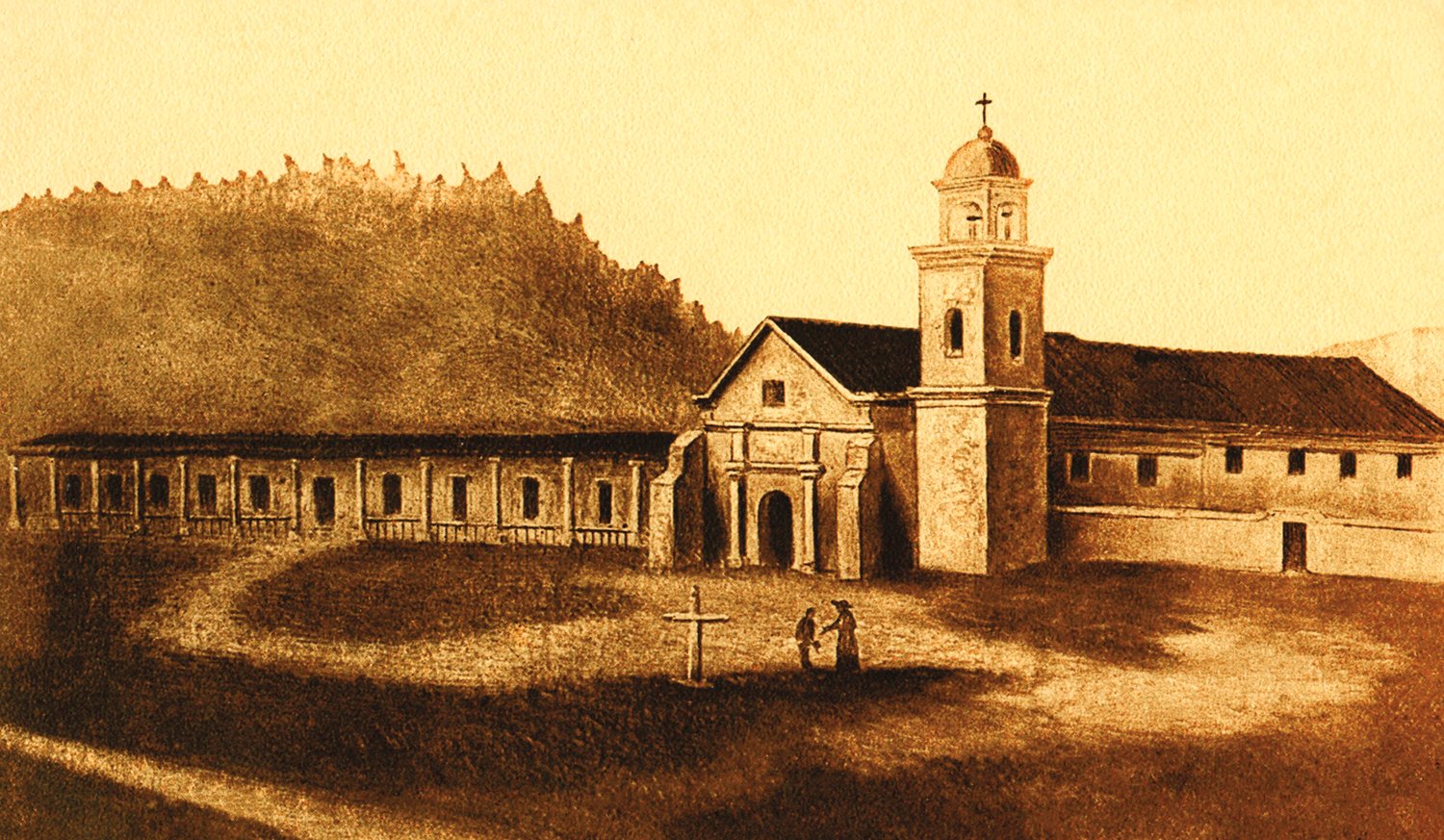
Interestingly, the women were spared, because the Spanish didn’t believe that a female would ever take part in such a crime. Mexico became an independent country from Spain in 1821 with the signing of the Treaty of Córdoba and assumed control of New Spain. In 1833, the new leadership officially ended the mission system under the Mexican Secularization Act. It would take most of a decade to completely close all the mission sites.
The Battle of Los Gatos. In 1769, Spain originally planned to close the missions once the majority of Native Americans had been converted, in about 10 years. The lands were then to be turned into civilian communities. However, the Franciscan padres kept pushing back saying that the neophytes weren’t yet ready to assume control, and 60 years passed.
The Mexican plan to end the mission system was similar to the Spanish plan. They were to free the Indigenous population and give them half of the mission lands, half of the livestock, and half of the seed bank. In practice, very few of these things happened.
Before the official secularization decree, life went on as usual at the missions, including Santa Clara. Life as usual meant that the missionized Native Americans were still under the thumbs of the padres, including strict disciplinary control. Perhaps aware that some missions were freeing their members, a man named Yozcolo, a Yokut tribal member (Continued on page 21)